


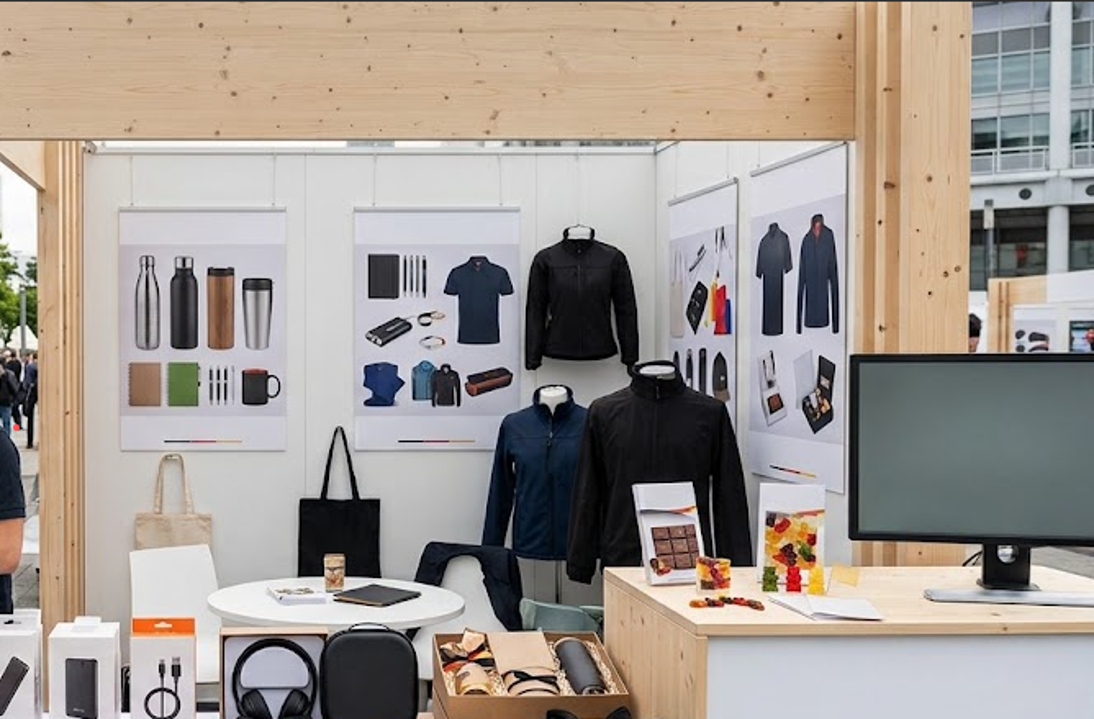
Branded Merchandise Germany: How to Select Promotional Products for Different Target Audiences
Promotional merchandise remains an effective way for businesses to build brand recognition and maintain relationships with customers. However, choosing products that genuinely appeal to recipients requires more consideration than simply printing a company logo on everyday items. Different audiences have different expectations, preferences and practical needs.
Businesses exploring Branded Merchandise Germany should consider their target audience, product usefulness, quality and brand identity before selecting promotional items. A carefully chosen product can become part of someone’s daily routine, while an unsuitable item may quickly be forgotten.
Understanding Your Target Audience
The first step in selecting promotional merchandise is identifying who will receive it. Products that appeal to university students may not be appropriate for senior business executives or established corporate clients.
Age, profession, lifestyle and purchasing behaviour can influence how recipients respond to promotional products. Businesses should also consider where merchandise will be distributed, whether at exhibitions, corporate events, educational institutions or customer meetings.
For example, younger audiences may appreciate reusable water bottles, tote bags and mobile accessories. Corporate professionals may prefer notebooks, desk organisers or practical technology accessories.
Understanding these differences allows businesses to make purchasing decisions based on recipient needs rather than general promotional trends.
Promotional Products for Corporate Professionals
Corporate audiences usually appreciate merchandise that offers practical value in professional environments. Products suitable for offices, meetings and business travel are particularly relevant.
Premium notebooks, metal pens, laptop sleeves and wireless charging accessories can complement professional routines. Subtle branding is often more appropriate for these products because recipients may prefer items that blend naturally into their workplaces.
Material quality also matters. A durable accessory with a carefully placed logo can create a stronger impression than an inexpensive product that deteriorates quickly.
Businesses should consider how frequently recipients will use the item and whether its appearance reflects the company’s professional image.
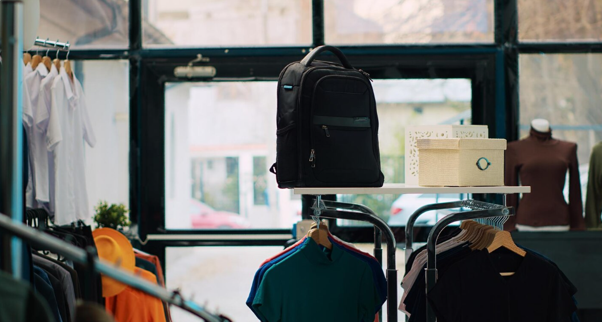
Merchandise for Students and Younger Consumers
Students and younger consumers often prefer products that are portable, functional and suitable for everyday activities.
Canvas tote bags, reusable drinkware, stationery sets and phone accessories can appeal to audiences who move between educational, social and working environments.
Visual design is especially important when targeting younger groups. Attractive colours, contemporary patterns and creative branding can make promotional products feel more appealing.
Businesses should avoid assuming that younger consumers automatically prefer inexpensive merchandise. Product durability, convenience and environmental considerations can also influence their preferences.
A thoughtfully designed reusable bottle, for example, may remain useful throughout university life while providing continued exposure to the brand.
Selecting Merchandise for Event Visitors
Trade fairs, exhibitions and conferences provide valuable opportunities to distribute promotional merchandise to large audiences.
However, event visitors may collect numerous promotional items throughout the day. Businesses therefore need products that are convenient to carry and memorable enough to retain.
Compact notebooks, reusable shopping bags, pens and small technology accessories are practical choices for these environments.
Businesses should consider the nature of the event before ordering merchandise. A technology exhibition may attract visitors interested in charging accessories, while a sustainability conference may create greater interest in reusable products.
Packaging and presentation can also influence how promotional merchandise is received. Clear branding and an attractive appearance help products stand out without requiring excessive decoration.
Considering Sustainability and Product Quality
Environmental responsibility has become an important consideration in promotional purchasing. Businesses in Germany may encounter audiences who value durable products, responsible sourcing and reduced unnecessary packaging.
Reusable drinkware, recycled-paper notebooks and durable fabric bags are examples of merchandise worth evaluating.
However, environmental claims should be supported by reliable information about materials, manufacturing and product certifications where applicable.
A product should not be described as sustainable simply because it contains recycled material. Its durability, sourcing and overall usefulness also deserve attention.
Choosing merchandise designed for repeated use can help businesses reduce unnecessary waste while creating a more positive recipient experience.
Matching Merchandise to Brand Identity
Promotional merchandise should communicate a consistent brand message. Product colours, materials, design and printing techniques can influence how recipients perceive a company.
A technology business may select minimalist accessories, while a wellness organisation might prefer products associated with relaxation or healthy routines.
Businesses should also establish a realistic budget that accounts for personalisation, packaging, quantities and delivery requirements.
Ordering samples before committing to larger quantities can help assess product quality, logo placement and finishing.
Conclusion
Selecting promotional merchandise requires an understanding of audience expectations, product functionality and brand positioning. Businesses should prioritise merchandise that recipients can use comfortably and regularly rather than choosing items solely because they are inexpensive or popular.
By considering professional environments, student lifestyles, event requirements and environmental factors, organisations can make more informed promotional purchasing decisions. A well-matched product supports brand recognition while offering genuine value to the people receiving it.

Leave a Reply