


A recognizable brand is built through repeated, consistent experiences. Customers may encounter a business through its website, sales representatives, events, packaging, and everyday products. When these interactions communicate a coherent identity, they can make the company easier to recognize and remember.
Using Branded Merchandise Germany as part of a wider marketing approach requires thoughtful coordination. Merchandise should reflect established visual standards, offer meaningful utility, and support the expectations created by other company communications. Consistency becomes particularly important when several departments or locations purchase promotional products independently.
Establish Clear Visual Brand Standards
Before selecting products, we should define how our visual identity will appear across different merchandise categories.
Logo proportions, typography, color specifications, and acceptable background combinations should follow documented guidelines. Without these standards, the same company may appear noticeably different on notebooks, clothing, drinkware, and event materials.
Some products have limited print areas, making simplified logo versions necessary.
We can prepare approved artwork files for various decoration methods, helping suppliers reproduce the intended identity more consistently.
A well-organized brand asset library also reduces repeated design work when new merchandise is required.
Build a Cohesive Merchandise Collection
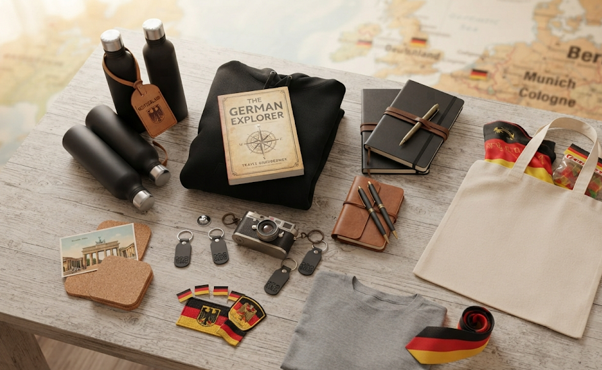
A consistent brand presence does not require every product to look identical. Different items can perform different functions while sharing recognizable design characteristics.
For example, a company might combine neutral-colored tote bags, matching notebooks, and reusable drinkware with discreet logo placement.
Employees can use selected products during conferences or business meetings, while related merchandise may be distributed to visitors.
Coordinating materials, colors, and decorative treatments can create a connected collection without forcing unsuitable designs onto every item.
The collection should remain flexible enough to accommodate different event formats and recipient needs.
Match Products to Real Business Activities
Merchandise becomes more valuable when it supports activities that recipients already perform. An item used frequently can create additional opportunities for brand recognition without requiring further distribution.
We should think about the environments where our products will be used.
Potential categories include:
- Workplace merchandise: Notebooks, pens, desk mats, and document organizers.
- Conference materials: Lanyards, reusable bags, and presentation folders.
- Employee accessories: Water bottles, laptop sleeves, and travel mugs.
- Client gifts: Premium stationery, suitable drinkware, and professional organizers.
- Outdoor essentials: Umbrellas, caps, and practical travel accessories.
Selecting items with genuine utility helps the merchandise feel purposeful rather than merely decorative.
Maintain Consistency Across Multiple Locations
Companies operating across several offices or regions may face challenges when departments order merchandise independently.
Different suppliers, printing processes, and artwork versions can create inconsistencies in the final products.
A centralized approval process can help us maintain common standards while allowing teams to select products appropriate for their activities.
We can establish an approved product catalog with specifications for colors, materials, logo placement, and printing methods.
Maintaining a record of previous orders may also make replenishment easier and reduce the risk of unexpected design changes.
Consider the Experience Beyond the Product
Brand perception is influenced by more than printed logos. Packaging, presentation, product quality, and the circumstances of distribution all contribute to the recipient’s experience.
A thoughtfully presented employee welcome kit may feel more meaningful than the same products distributed without context.
Similarly, professional packaging for a client appreciation gift can reinforce the care taken in selecting the merchandise.
We should avoid excessive packaging that adds unnecessary expense or waste.
Clear communication about product care, especially for drinkware and technology accessories, can further improve usability and reduce confusion.
Apply Responsible Purchasing Practices
Consistency should include product quality and responsible sourcing standards, not just visual appearance.
When purchasing merchandise for distribution in Germany, we should check which EU product safety, labeling, and environmental requirements apply to each category.
Supplier documentation may be necessary for items involving food contact, electronics, textiles, or other regulated materials.
Environmental claims should also be supported by appropriate evidence.
Establishing common purchasing criteria can help different departments make decisions that reflect the same organizational priorities.
Durable products, appropriate order quantities, and sensible packaging can contribute to a more considered merchandise strategy.
Review Performance and Improve Future Orders
A merchandise program should evolve as business requirements and recipient expectations change.
We can gather feedback from employees, event organizers, customers, and procurement teams to identify which products are appreciated and which remain unused.
Inventory records may reveal recurring demand, while event feedback can help us understand distribution preferences.
Rather than replacing an entire collection frequently, we can retain successful products and introduce new items selectively.
This approach supports brand continuity while allowing practical improvements based on actual experience.
Conclusion: Create Recognition Through Consistent Experiences
Branded merchandise is most effective when it forms part of a recognizable and dependable company identity. Visual consistency alone is insufficient if products are inconvenient, poorly constructed, or irrelevant to recipients.
By coordinating design standards, selecting useful merchandise, maintaining responsible purchasing practices, and learning from feedback, we can develop a stronger brand presence across corporate events, employee programs, and everyday professional interactions.