



Corporate events create valuable opportunities to build relationships with employees, customers, and business partners. The merchandise we distribute at these gatherings can influence how people remember our company long after the event ends. Among the available options, mugs remain practical because they fit naturally into everyday routines.
However, choosing a Custom Printed Mug with Logo involves more than placing artwork on a drinking cup. We need to consider the recipient, material, design, printing quality, order quantity, and delivery schedule to create something people will genuinely appreciate.
Understand the Purpose of the Event
Before selecting a mug, we should identify what the event is meant to achieve. A conference giveaway serves a different purpose from an employee recognition gift or an anniversary celebration.
For a large trade show, lightweight and affordable mugs may help us reach more attendees. For executive meetings or special milestones, premium ceramic mugs with refined branding may create a stronger impression.
The audience also matters. Employees might appreciate a comfortable mug for their desks, while business partners may prefer a sophisticated design suitable for professional settings.
When we understand the occasion and its participants, we can make decisions that support the event rather than purchasing merchandise simply because it is available.
Choose Materials That Match Everyday Use
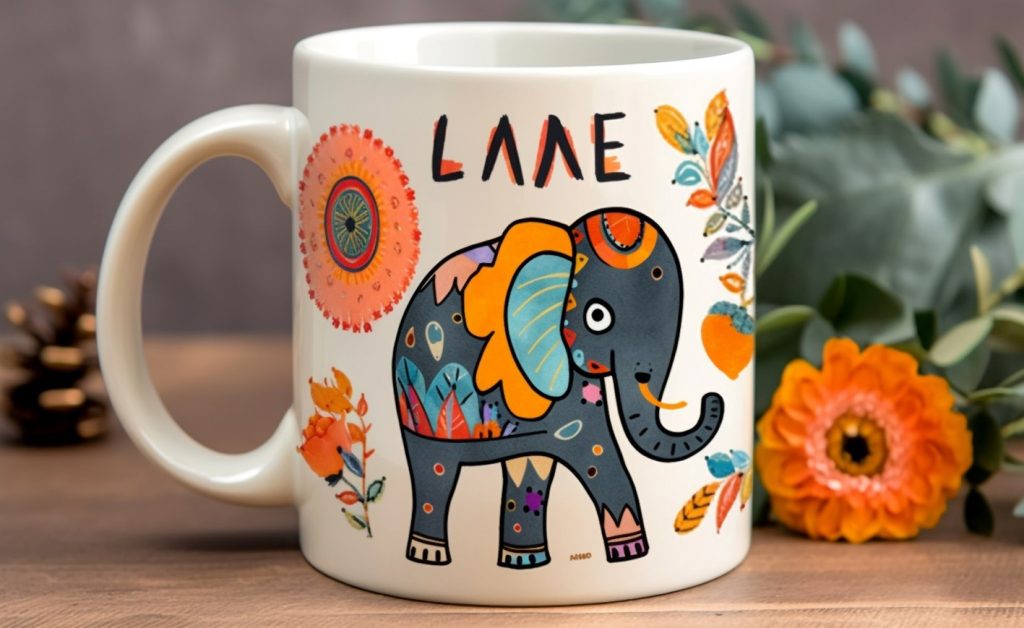
The mug material affects appearance, durability, comfort, and perceived quality. Although ceramic remains a popular choice, alternative materials may suit particular audiences or event environments.
Standard ceramic mugs offer a familiar drinking experience and provide a smooth surface for branding. Porcelain can create a more refined appearance, while stainless steel may be appropriate for travel-friendly drinkware.
We should consider how recipients will use the mugs. An office-based audience may prefer traditional ceramic designs, while employees who frequently travel could benefit from insulated options.
Material selection should also account for cleaning requirements, intended beverage temperatures, and the manufacturer’s care instructions.
Keep Logo Placement and Design Practical
A successful branded mug should look attractive without becoming visually overwhelming. Our design needs enough space for the company logo while maintaining a balanced appearance.
A small, clearly positioned logo may work better than oversized graphics covering the entire surface. We can also incorporate an event date, short message, or subtle brand element when appropriate.
Color contrast deserves particular attention. Dark artwork on a light background often improves readability, although the final choice should follow our established brand guidelines.
Before approving production, we should request a digital proof showing the exact artwork placement, dimensions, and printing colors.
Compare Printing Methods Before Ordering
Different printing techniques produce different visual results. Selecting a method should depend on artwork complexity, mug material, quantity, and available production time.
Common considerations include:
- Screen printing: Often suitable for straightforward designs and larger quantities.
- Sublimation printing: Useful for compatible coated mugs requiring colorful or detailed artwork.
- Digital printing: May suit certain multicolor designs, depending on the supplier’s equipment.
- Pad printing: Can accommodate selected curved surfaces and smaller print areas.
- Special finishes: May add a distinctive appearance when compatible with the mug and production process.
We should confirm whether the supplier’s proposed method supports our design and how well the decoration is expected to withstand regular cleaning.
Calculate the Complete Order Cost
The lowest advertised mug price does not always represent the most economical purchase. We should calculate the complete order cost, including artwork preparation, printing, packaging, shipping, and applicable taxes.
Minimum order quantities can also influence our decision. Ordering additional units might reduce the individual price but increase total spending and create unnecessary inventory.
For corporate events, we can estimate attendance, account for staff requirements, and include a modest reserve for unexpected guests or damaged items.
Comparing quotations on the same specifications allows us to assess overall value rather than relying on unit price alone.
Confirm Packaging and Delivery Requirements
Mugs require careful handling because ceramic and porcelain products can break during transportation. Protective packaging should therefore be part of our purchasing discussion.
Individual boxes may be useful for formal gifts, while secure bulk cartons may suit merchandise distributed directly at an exhibition stand.
We should establish the required delivery date before placing an order. Artwork approval, manufacturing, packing, and transport all need sufficient time.
For events in Germany, confirming the destination address, delivery arrangements